Small Senior Care Houses: A Much Better Suitable For Personalized Respite and Long-Term Care
Business Name: BeeHive Homes of Farmington
Address: 400 N Locke Ave, Farmington, NM 87401
Phone: (505) 591-7900
BeeHive Homes of Farmington
Beehive Homes of Farmington assisted living care is ideal for those who value their independence but require help with some of the activities of daily living. Residents enjoy 24-hour support, private bedrooms with baths, medication monitoring, home-cooked meals, housekeeping and laundry services, social activities and outings, and daily physical and mental exercise opportunities. Beehive Homes memory care services accommodates the growing number of seniors affected by memory loss and dementia. Beehive Homes offers respite (short-term) care for your loved one should the need arise. Whether help is needed after a surgery or illness, for vacation coverage, or just a break from the routine, respite care provides you peace of mind for any length of stay.
400 N Locke Ave, Farmington, NM 87401
Business Hours
When families start taking a look at senior care, they usually envision large assisted living communities, with long corridors, several dining rooms, and an occasions calendar that looks like a cruise liner schedule. Those settings work well for many older adults. Yet families typically inform me, after a couple of months, that something is missing out on: heat, continuity, or a sense that personnel actually understand their parent as a person and not as "the fall threat in space 214."
That space is where small senior care homes, also called residential care homes or board-and-care homes in lots of states, quietly stand out. They are not as greatly advertised, and they hardly ever have marble lobbies, however they can offer exactly what many people say they desire for their aging parents: real relationships, versatile support, and a living environment that seems like a regular home.
This matters both for long-lasting senior care and for short-term stays such as respite care, when a household caretaker requires a break, has surgery, or faces a momentary crisis. The fit in between an older grownup and the care environment during those periods can make the difference in between consistent improvement and rapid decline.
What follows reflects years of combined observation of households, locals, and caregivers in both settings, large and small. No single design is generally better, but the strengths of small homes are underused just because individuals do not know they exist or do not understand how to assess them.
What is a small senior care home?
Most small senior care homes are exactly what they seem like: ordinary houses in residential communities, transformed to supply 24/7 elderly care. Depending on local policies, they usually serve between 4 and 10 locals. There is a kitchen area where real cooking happens, a living room with familiar furniture, a backyard or patio, and bedrooms that might be private or shared.
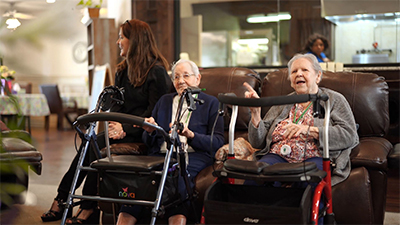
They generally fall under state licensing categories that may be named assisted living, residential care, personal care home, or something comparable. The particular label varies by state, but functionally they sit in the very same basic area as assisted living, not as knowledgeable nursing facilities. They offer aid with activities of daily living such as bathing, dressing, toileting, mobility, and medication pointers. Most do not provide extensive medical treatments that need a licensed nurse around the clock.
A common staffing pattern may be one caregiver for each three to five citizens throughout the day, and one awake caregiver during the night for the whole home. The real ratio differs, however it is usually far much better than the ratios in larger neighborhoods or nursing homes, where one assistant might be assigned to 10, 15, and even more locals per shift.
Because of the small size, routines feel a lot more like domesticity. Breakfast does not require a trip to a big dining-room. If somebody sleeps late, personnel can change. If a resident dislikes oatmeal and likes eggs, that preference actually sticks in staff's minds.
Why families start looking beyond huge assisted living communities
Most households start their search with the huge names. They are visible, have marketing groups, and sponsor occasions. There is nothing wrong with that. Many of those communities provide safe, proficient senior care.
However, numerous patterns tend to drive households to consider smaller settings after they have actually already attempted bigger assisted living facilities.
One scenario includes cognitive decrease. A resident with early or moderate dementia moves into a large structure. The very first weeks go well. Then the household notifications their parent starting to isolate, avoiding activities, or getting lost en route back to their space. Personnel, stretched thin, can not constantly escort them, and other locals come and go. The environment feels overwhelming. In a small senior care home, that same individual senior living might have only a handful of faces to bear in mind, and no long passages to navigate.
Another typical trigger is inconsistent staff. In larger facilities, turnover is high. Families typically grumble that the caretaker who comprehended their mother's morning routine unexpectedly disappears from the schedule, and the replacement does not know how to coax her into the shower without a fight. In a home with 6 citizens and a steady group of three or 4 caregivers, continuity is far simpler to maintain.
There are likewise character fits. Some older adults grow in environments buzzing with activities, large group meals, and regular visitors. Others invested their entire lives in small families and choose peaceful, predictable days. For them, a three-story structure with a hundred citizens feels like an airport. A residential care home, tucked into a community, might match their sense of scale.
Why small homes can be perfect for respite care
Respite care is typically a household's first test drive of official elderly care. A partner or adult kid caregiver reaches a limitation, physically or mentally, and requires a break. Or they must take a trip for work, or recuperate from their own surgery. The aging parent requires a safe, encouraging place for one to six weeks.
Large assisted living facilities do supply respite care, usually using furnished "respite suites." The resident takes part in regular activities and meals. This works finest for relatively independent older grownups who take pleasure in social interaction and can adjust quickly.
Small senior care homes, in my experience, shine when the care receiver is frail, anxious, or has moderate dementia. The shift into respite care is shorter. The list of new individuals to discover is restricted. There is usually no requirement to memorize a brand-new design. The gives off cooking and the sounds of a television in the living-room feel familiar, not institutional.
Respite stays in small homes can also be more flexible. Households in some cases need just a vacation or a stretch of 9 or ten days that does not adhere to a standard regular monthly billing cycle. A small home, with an open room, may want to exercise everyday or weekly rates, especially if they see prospective for a longer relationship later.
One of the most important, underrated advantages of using a small home for respite care is what it exposes. Caregivers can see how their parent does when toileting tips originated from somebody else, or when medication times are more stringent. They can observe how rapidly their loved one forms bonds with brand-new caregivers. If a future long-term relocation is likely, these short stays make it far less disruptive.
How customized care truly looks in a small home
The expression "personalized care" is overused in marketing, yet you can tell really quickly whether a setting measures up to it. In a small senior care home, customization appears in small, specific ways that build up over time.
Breakfast is a fine example. In big assisted living facilities, breakfast hours might be 7 to 9 a.m. Residents line up or are seated in shifts. Menus are set. If someone reaches 9:10, the cooking area might currently be tidying up. In a small home, you frequently see caretakers making toast at 9:45 due to the fact that one resident always oversleeps, or reheating oatmeal since somebody chose they were starving again.
Bathing and health follow the very same pattern. Some citizens tolerate showers only in the afternoon, not very first thing in the morning when their joints are stiff. Others choose a sponge bath most days and a complete shower twice weekly. When personnel care for six individuals rather of sixty, they can keep in mind those patterns instead of forcing everybody into one routine.
Medication management likewise tends to be more flexible. While doses and times are prescribed, the method reminders are provided can be tailored. One resident responds well to a mild spoken hint, another likes her pills provided with a particular beverage. With fewer disruptions, caregivers can stay with someone who is reluctant or refuses medication, instead of leaving since they have twelve more locals to see before 10 a.m.
Even the emotional landscape is various. In small homes, caretakers see and react to state of mind shifts in real time. If a resident looks withdrawn, they can take a seat at the kitchen table and ask about it without stressing that other citizens will be left ignored. That responsiveness is what typically prevents small problems, such as mild dehydration or constipation, from intensifying into emergency clinic visits.
Comparing small homes and bigger assisted living communities
Families typically request for an easy decision: which is better, a small residential care home or a larger assisted living community? The truthful response is that it depends upon the person and the scenario. That said, some differences appear consistently.
Here is a short contrast that can assist organize your thinking:
- Environment: Small homes seem like actual houses, with shared areas that look like a household living room and kitchen. Big assisted living neighborhoods feel more like apartment buildings or hotels, with personal apartments and central dining.
- Social life: Big communities use more structured activities, trips, and chances to satisfy numerous peers. Small homes use less group occasions however more intimate, everyday social contact with the exact same people.
- Staff interaction: In small homes, caregivers typically know each resident deeply, but there are fewer experts such as activity directors. In bigger settings, the group is larger and more specialized, however individual aides might turn regularly between residents.
- Cost structure: Large facilities often advertise lower base rates, then add separate charges for higher care levels. Small homes frequently price estimate a more inclusive monthly fee that bundles most care jobs into a single rate, though this varies.
- Medical complexity: For citizens with extremely complex medical needs, a competent nursing center may be better suited than either a small home or basic assisted living. Some larger communities have better access to on-site clinicians, while some small homes partner closely with home health agencies or visiting nurse services.
That list reflects normal patterns. There are exceptional large neighborhoods that feel warm and individual, and there are small homes that fail at the fundamentals. The point is to understand where each design tends to stand out so that your tours and questions are more focused.
When a small home is specifically helpful
Certain situations tend to benefit disproportionately from the scale and intimacy of a small residential care home.
Older adults with mid-stage dementia frequently react very well. Less people, less noise, and foreseeable regimens minimize confusion and agitation. When someone begins to "sunset" in the late afternoon, personnel can redirect them calmly, perhaps with a cup of tea at the kitchen table, instead of trying to manage escalating behaviors in a corridor loaded with activity.
People vulnerable to wandering are another group to consider. Many small homes have safe and secure backyards or outdoor patios where locals can stroll freely without leaving the property. Since there are only a few homeowners, personnel notification if someone heads towards the front door aimlessly. That direct observation can be more efficient than electronic alarms in congested hallways.
Frailer locals, who need assist with the majority of activities of daily living, tend to be a much better fit as well. A caretaker who cares for just three or 4 homeowners can pay for to transfer somebody gradually, check that clothes is not twisted, and spend an additional minute getting somebody comfy in their preferred chair. Those are the tiny pieces of self-respect that larger settings struggle to keep when staff are outnumbered.
Short-term respite take care of people who are nervous, introverted, or quickly overwhelmed by noise is likewise smoother in a small home. I have seen quiet, reserved seniors decline rapidly during a two-week respite remain at a big, noisy center, then settle and restore hunger in a smaller setting where the total variety of daily interactions was manageable.
Trade-offs and restrictions of small senior care homes
The strengths of small homes do not remove their limitations. A sensible view assists prevent disappointment later.
One trade-off includes variety. Activities in small homes lean heavily on conversation, television, basic games, light exercise, and one-on-one engagement. There might not be daily music performances, lecture series, or outings to dining establishments. For residents who are cognitively intact and enjoy a full social calendar, a small home might feel constraining after the very first few weeks.
Another problem is staffing depth. When a caretaker calls in ill at a large center, there is typically a back-up swimming pool. In a six-bed home, protection might involve the owner or manager stepping in. That can work magnificently if leadership is hands-on and committed. In weaker homes, staff tiredness can sneak in if there is no trusted substitute system.
Dietary range can also be limited. Numerous small homes do a wonderful task with fundamental, home-style meals. Nevertheless, they hardly ever have the capability to produce customized menus for a number of various diet plans simultaneously. If your parent follows a stringent religious, medical, or individual diet that deviates considerably from basic alternatives, you need to ask in-depth questions and see how they manage it in practice.
Regulation and oversight vary by state. Some jurisdictions examine small homes with the same rigor as large assisted living neighborhoods. Others provide less structured oversight, which puts more obligation on households to vet the home completely. Good small homes embrace transparency, welcome concerns, and are happy to show documents. If you feel you are being hurried, or your questions brushed off, treat that as a serious warning sign.
Lastly, there is the emotional side. Families often feel guilt putting a parent in a setting that is familiar and intimate since it does not look "expensive." They fret relatives will evaluate them for passing by the structure with the grand lobby. In practice, what older grownups appreciate on a daily basis is convenience, regard, and human contact, not decor. It assists to keep that viewpoint clear when others start comparing brochures.
How to assess a small senior care home
Touring a small senior care home needs a somewhat various frame of mind than exploring a big facility. Instead of scanning facilities, you are examining the quality of daily life.
During the visit, pay close attention to the mood of the house. Not the marketing spiel, however the feeling in the space. Do residents look tidy, appropriately dressed, and at ease? Are staff carefully engaged or glued to their phones? Does the television blare continuously, or does it seem to be on for a purpose?
Trust your nose. Strong odors, either of urine or heavy ventilating chemicals, normally show care issues. A faint smell once in a while can happen in any setting, however relentless smells recommend systemic problems.
Listen to how personnel talk to citizens. Are they using names? Do they crouch or sit at eye level instead of calling from throughout the room? Small gestures here are necessary. Individualized assisted living and elderly care depend more on tone and method than on furnishings or smart technology.
It is generally helpful to have a short, focused set of concerns prepared. For numerous households, these five cover the most important ground:
- What is your common staff-to-resident ratio throughout days, nights, and nights?
- How do you deal with locals whose care needs boost over time?
- Can you explain a recent scenario where a resident decreased or had a medical event, and how your team responded?
- What type of respite care stays do you accept, and how do you transition someone from respite to long-term care if that ends up being necessary?
- How do you keep families notified, especially if they live out of town?
Ask to see the restroom setup, shower location, and at least one bed room that is not specially staged. If your parent uses a walker or wheelchair, inspect whether entrances and hallways are practical, not just technically compliant. Many small homes do a good job adapting, however some older houses have tight corners that make transfers harder.
If possible, visit a second time at a various hour. A home that looks calm at 10 a.m. Might be disorderly at 6 p.m. During shift modifications and dinner preparation. Senior care is a 24-hour business. You are buying how they manage all of it, not simply the peaceful parts.
Cost, agreements, and what to enjoy for
Families often presume that small homes are instantly more affordable. That is not always the case. In lots of markets, a well-run residential care home expenses roughly the like mid-range assisted living, often a little less, sometimes a little more.
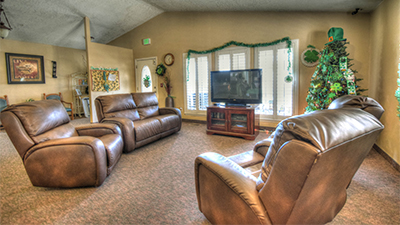
What differs is how prices is structured. Larger communities typically price estimate a low "base rate" that covers housing, meals, and light assistance, then include tiered costs for greater levels of care: help with bathing, frequent transfers, specialized dementia care, oxygen management, and so on. The final bill can end up much greater than the initial quote once a resident needs considerable assistance.
Small homes regularly utilize a bundled model, where a single monthly cost covers all basic individual care jobs, with different charges just for very complicated requirements. This is not universal, but it prevails. That predictability assists families prepare better, particularly for long-lasting stays.
Regardless of the model, read the agreement carefully. Search for:
Clauses about rate increases. Numerous providers schedule the right to raise rates every year or when care requires rise. Ask how frequently they do so in practice and by what typical percentage.
Discharge requirements. Comprehend what happens if your parent's condition changes. At what point would they need a greater level of care, such as a nursing home? Who makes that decision, and just how much notification are you given?
Respite care terms. If you are utilizing respite care initially, examine minimum stay lengths, deposits, and whether any part is credited if you transition to long-term occupancy.
Refund policies. Life situations alter quickly. Make sure you understand how much notice you need to supply to avoid extra charges when moving out.
Most households underestimate for how long they may need assistance. Presuming two to five years of assisted living or residential care is more realistic than assuming a couple of months. Matching the cost structure and agreement flexibility to that horizon is as crucial as evaluating the curb appeal.
Who is not a good fit for a small care home?
While I have actually seen numerous older grownups grow in small homes, some are poorly served by this model.
Highly social, active seniors with good cognition who still drive, manage their own medications, and choose independent living typically find small homes too restricting. They might be better off in a large community that offers enriched social life and more autonomy, or in senior apartment or condos with a la carte services.
Individuals needing complicated medical care supplied by certified nurses all the time usually belong in competent nursing or a customized medical setting. A small home can work in cooperation with home health or hospice oftentimes, but it is not a substitute for a medical facility step-down unit.
There can likewise be personality inequalities. A resident who is consistently loud, aggressive, or disruptive can overwhelm a small neighborhood of 5 or 6 individuals. Good homes screen carefully and are sincere about whether they can maintain a safe and calm environment for everybody present.
Finally, some households value prestige, on-site amenities, or brand credibility above intimate care relationships. They may feel more at ease handling business structures and nationwide policies. For them, a large assisted living chain may feel more foreseeable, even if the day-to-day experience is less personal.
Starting the discussion with your family
Shifting a parent from home to any kind of assisted living or elderly care includes grief, guilt, and, typically, difference amongst siblings. Bringing a small senior care home into the conversation can actually relieve some stress by reframing what "positioning" looks like.
Instead of stating, "We are moving Mom to a center," you can say, "We found a home with six residents, where she will have her own space and somebody to help her during the night. Let us attempt a short respite care stay and see how she feels." That softer framing matches the truth of the environment.
If you are the primary caretaker, prepare specific examples of where you are struggling: lifting, night-time roaming, medication timing, your own health declining. Compare those requirements with what the small home can realistically provide. Families tend to react better to concrete details than to general statements such as "I am tired."
When going to prospective homes, if possible, include your parent at least once, unless their cognitive status makes that detrimental. Focus on their body movement. Numerous older grownups warm rapidly to small homes due to the fact that the scale advises them of familiar life stages.
The withstanding question is constantly whether a setting uses security without stripping away personhood. Small senior care homes, when they are well run, hold that balance especially well. They are not the best response for everybody, yet they are worthy of a place at the top of the list for families seeking deeply tailored respite care and long-lasting assistance in a setting that feels less like a system and more like a home.
BeeHive Homes of Farmington provides assisted living care
BeeHive Homes of Farmington provides memory care services
BeeHive Homes of Farmington provides respite care services
BeeHive Homes of Farmington supports assistance with bathing and grooming
BeeHive Homes of Farmington offers private bedrooms with private bathrooms
BeeHive Homes of Farmington provides medication monitoring and documentation
BeeHive Homes of Farmington serves dietitian-approved meals
BeeHive Homes of Farmington provides housekeeping services
BeeHive Homes of Farmington provides laundry services
BeeHive Homes of Farmington offers community dining and social engagement activities
BeeHive Homes of Farmington features life enrichment activities
BeeHive Homes of Farmington supports personal care assistance during meals and daily routines
BeeHive Homes of Farmington promotes frequent physical and mental exercise opportunities
BeeHive Homes of Farmington provides a home-like residential environment
BeeHive Homes of Farmington creates customized care plans as residents’ needs change
BeeHive Homes of Farmington assesses individual resident care needs
BeeHive Homes of Farmington accepts private pay and long-term care insurance
BeeHive Homes of Farmington assists qualified veterans with Aid and Attendance benefits
BeeHive Homes of Farmington encourages meaningful resident-to-staff relationships
BeeHive Homes of Farmington delivers compassionate, attentive senior care focused on dignity and comfort
BeeHive Homes of Farmington has a phone number of (505) 591-7900
BeeHive Homes of Farmington has an address of 400 N Locke Ave, Farmington, NM 87401
BeeHive Homes of Farmington has a website https://beehivehomes.com/locations/farmington/
BeeHive Homes of Farmington has Google Maps listing https://maps.app.goo.gl/pYJKDtNznRqDSEHc7
BeeHive Homes of Farmington has Facebook page https://www.facebook.com/BeeHiveHomesFarmington
BeeHive Homes of Farmington has an YouTube page https://www.youtube.com/@WelcomeHomeBeeHiveHomes
BeeHive Homes of Farmington won Top Assisted Living Home 2025
BeeHive Homes of Farmington earned Best Customer Service Award 2024
BeeHive Homes of Farmington placed 1st for Senior Living Communities 2025
People Also Ask about BeeHive Homes of Farmington
What is BeeHive Homes of Farmington Living monthly room rate?
The rate depends on the level of care that is needed (see Pricing Guide above). We do a pre-admission evaluation for each resident to determine the level of care needed. The monthly rate is based on this evaluation. There are no hidden costs or fees
Can residents stay in BeeHive Homes until the end of their life?
Usually yes. There are exceptions, such as when there are safety issues with the resident, or they need 24 hour skilled nursing services
Do we have a nurse on staff?
Yes. Our administrator at the Farmington BeeHive is a registered nurse and on-premise 40 hours/week. In addition, we have an on-call nurse for any after-hours needs
What are BeeHive Homes’ visiting hours?
Visiting hours are adjusted to accommodate the families and the resident’s needs… just not too early or too late
Do we have couple’s rooms available?
Yes, each home has rooms designed to accommodate couples. Please ask about the availability of these rooms
Where is BeeHive Homes of Farmington located?
BeeHive Homes of Farmington is conveniently located at 400 N Locke Ave, Farmington, NM 87401. You can easily find directions on Google Maps or call at (505) 591-7900 Monday through Sunday 9:00am to 5:00pm
How can I contact BeeHive Homes of Farmington?
You can contact BeeHive Homes of Farmington by phone at: (505) 591-7900, visit their website at https://beehivehomes.com/locations/farmington/,or connect on social media via Facebook or YouTube
Animas Park provides flat, scenic paths ideal for assisted living and memory care residents enjoying senior care and respite care outings.